Bisbee Faucet and Toilet Repair: Running Tanks, Drips and Stuck Shut-Off Valves
A fixture problem rarely stays small. A toilet that runs after every flush wastes water all night, a faucet drip stains the basin, and a shut-off valve that will not close turns a ten-minute repair into a call you did not plan to make. Most of these jobs are repairs, not replacements, and the cause is usually a part that costs little and sits inside the fixture.
This page sorts fixture trouble by symptom: toilets, faucets, sinks, tubs, showers and outdoor spigots, then explains the small valves that decide how easy any repair will be. When water will not stop, shut the fixture valve or the main and call the dispatch line, which sends your call to the plumber covering your street.
Dispatch answers 24/7. Plumbers from our network serve Bisbee and the outlying areas.
Toilet repair: running, weak flush, rocking or leaking at the base
| What you notice | Usual cause | Repair size |
|---|---|---|
| Runs or hisses after the flush | Worn flapper or fill valve, or a chain that is too tight | Small; parts inside the tank |
| Weak flush | Clogged rim holes, low water level or a partial clog downstream | Small to moderate |
| Rocks on the floor | Loose closet bolts or a worn wax ring | Moderate; the toilet is lifted and reset |
| Water at the base | Failed wax ring, cracked bowl or a loose supply connection | Moderate; find the source first |
| Tank sweats or drips outside | Condensation or a failing tank-to-bowl gasket | Small to moderate |
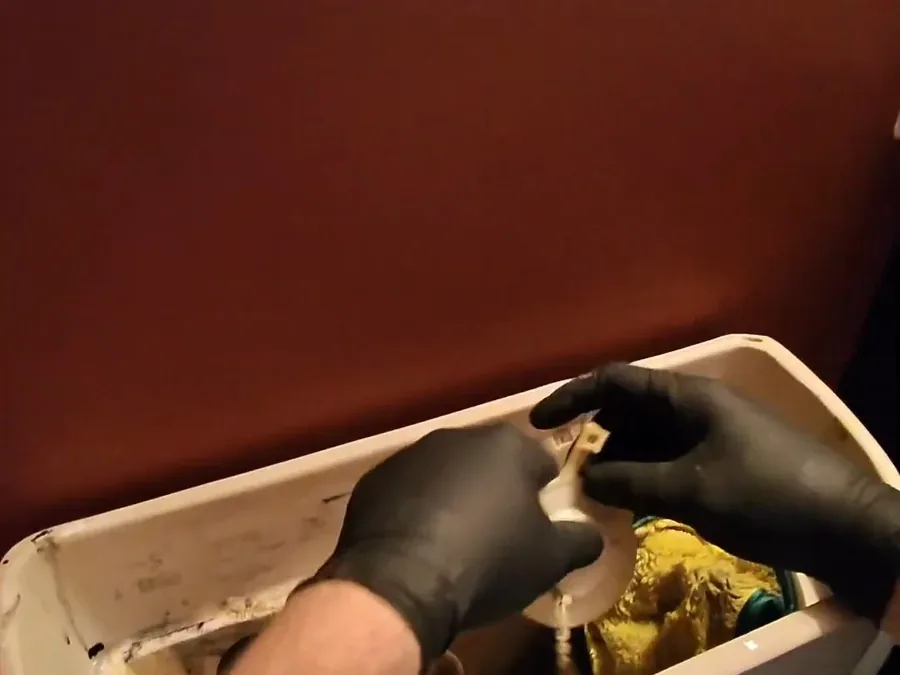
Lift the tank lid and watch. If water keeps flowing into the overflow tube, the fill valve or float is set too high. If the tank slowly empties, the flapper is leaking into the bowl. Dye tablets, or a little food coloring dropped into the tank, show a flapper leak within minutes, with no flush.
A toilet that clogs more than once a week is a different problem. If a plunger clears it and it returns, the cause may be in the line past the toilet, and the page about clearing a clogged drain line covers when that is the case.
Faucet repair: drips, cartridges and weak flow
Leaky faucet repair usually means a worn cartridge, washer or O-ring, and the stop valve under the sink is the first thing to close.
A dripping faucet is almost always a worn cartridge, washer, seat or O-ring, and which one depends on the style. Single-handle faucets use a cartridge or ball; two-handle faucets use washers or ceramic discs. Replacing the cartridge is a reliable fix, and a plumber will match the part to the brand stamped on the body or printed on the box if you still have it.
- Drip from the spout: cartridge, seat or washer
- Leak around the handle: O-ring or packing nut
- Leak under the sink at the base: supply connection or a cracked body
- Weak flow on one faucet only: clogged aerator or a partly closed stop valve
- Hot and cold mixing wrong: reversed supplies or a worn cartridge
If the faucet is older than the finish on the sink and the parts are no longer made, replacement beats repair. The section on replacing a toilet or faucet, further down, explains what to measure before you choose a new one.
Not sure whether it is a repair or a replacement? Describe the fixture and the leak when you call.
Call (520) 340-7175Kitchen sink, bathroom sink and vanity
Under a kitchen sink, check the supply lines, the P-trap and the drain connections. Water dripping from the trap means a loose slip nut or a cracked fitting. Water from the supply side means a worn connector or a stop valve that is weeping at the stem. A garbage disposal adds a drain and a dishwasher connection, which the page about disposals and their connections covers.
A bathroom vanity has less room, and a slow drain there is usually hair and soap in the stopper or the trap. Pulling the stopper and cleaning the trap clears most of them. If the water backs up into another fixture, call, because that is a branch-line problem and not a basin problem.
Two calls that fit this page: a refrigerator water line leaking and flooding a kitchen floor, and a kitchen sink replacement, such as swapping a ceramic basin for stainless steel. Both come down to the supply line, the stop valve and the drain connection. If the floor was soaked, water damage restoration covers the drying.
Tub, shower valve and showerhead
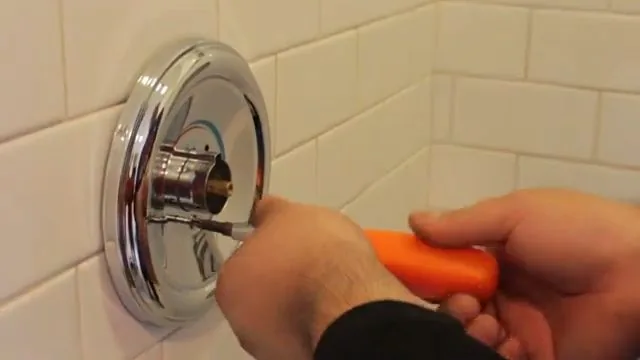
A showerhead that drips after the valve is shut off usually means a worn cartridge in the valve behind the wall, not the head itself. A tub spout that sprays from the diverter when the shower is on has a worn diverter. Both are fixable without opening the wall, if the plumber can reach the valve through the trim.
| Symptom | Likely part | Wall opened? |
|---|---|---|
| Drip from showerhead when off | Valve cartridge or seat | Usually not |
| Hot or cold only | Cartridge stop or mixing part | Usually not |
| Water through the diverter to the spout | Diverter | No |
| Stain or wet drywall near the valve | Leak behind the wall at the valve body or a connection | Often |
| Slow drain in the tub | Hair in the trap or stopper | No |
A stain on the drywall next to the tub is a leak to find before it becomes a bigger one. The guide to finding where hidden water is escaping explains how a plumber confirms the source before cutting a wall.
Shut-off, supply and angle valves: check these first
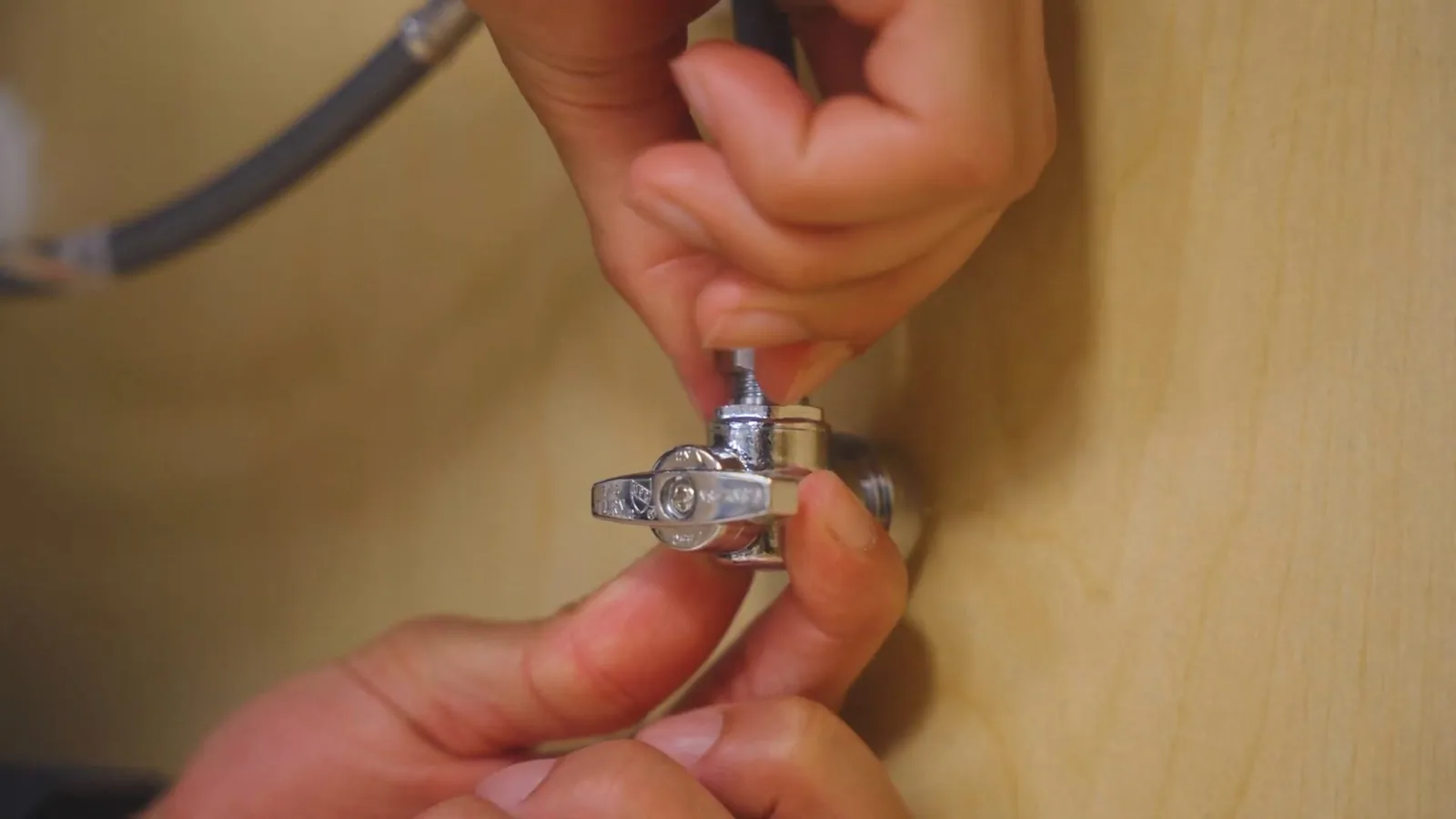
Every fixture should have its own stop valve, usually a quarter-turn or a multi-turn knob under the sink or behind the toilet. Close it by hand. If it will not turn, do not force it, because an old stem can snap and release a full flow. A valve that is stuck, weeping at the stem or that does not fully close is worth replacing while the work is already open.
- Turn each stop valve a quarter turn once or twice a year so it does not seize.
- Replace a braided supply line that is bulging, rusty at the nut or older than the fixture it feeds.
- Know where the main shut-off is before you need it.
- Do not tighten a compression nut with a wrench past firm hand tight plus a quarter turn.
Replacing a toilet or faucet
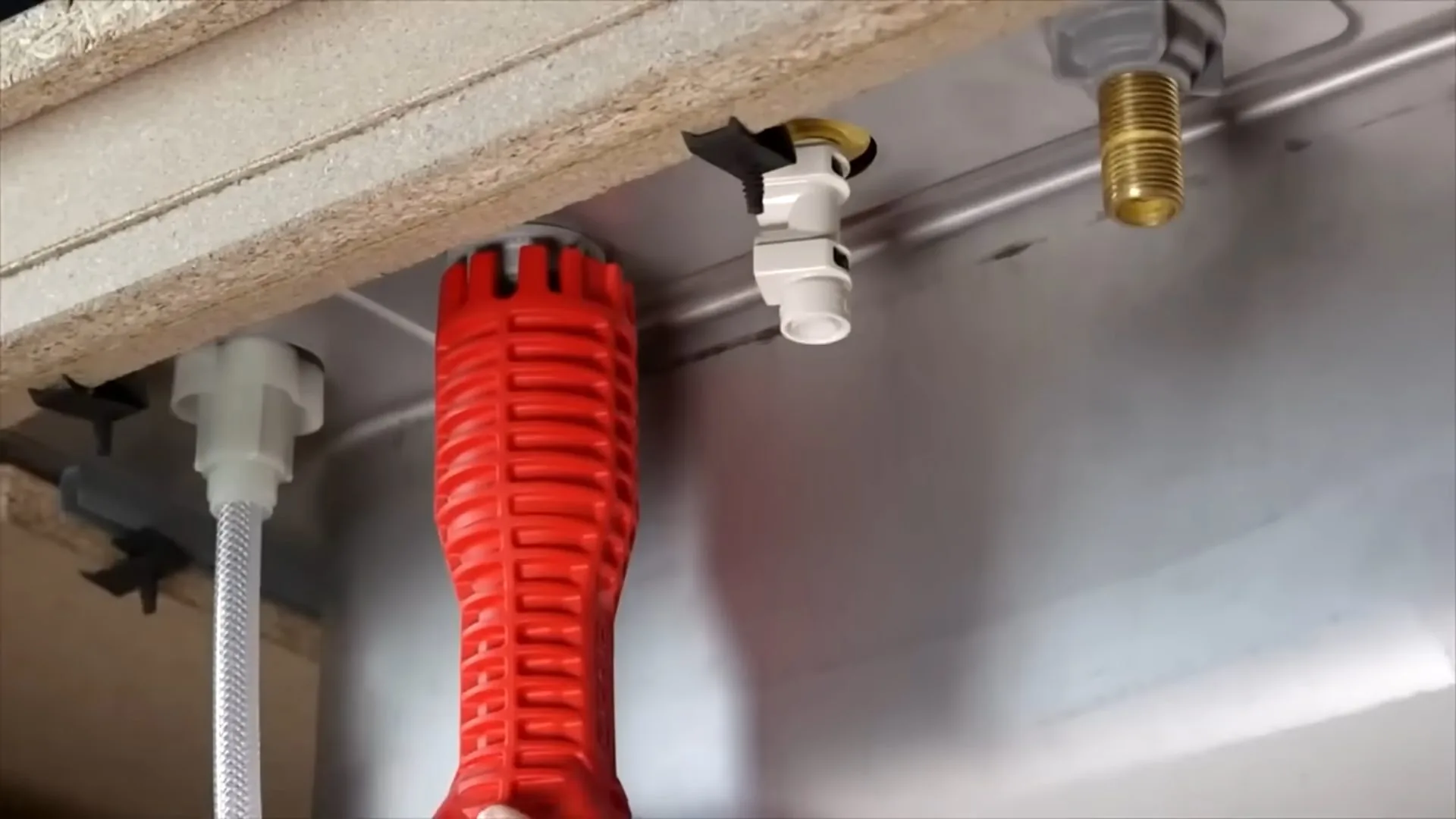
A replacement toilet has to match the rough-in, the distance from the wall to the center of the drain, and the bowl shape has to suit the space. A faucet has to match the number of holes in the sink or the counter. A plumber measures both before ordering, and removes the old fixture, checks the flange or the supply connections and sets the new one with new supplies.
Remodels add other jobs: moving a toilet, converting a tub to a shower, adding a wet bar, a laundry room or a small unit over a garage. Those jobs need new supply and drain rough-in, venting and, in many cases, a permit. Tell the dispatcher what the remodel includes so the right plumber is sent.
Outdoor spigots, hose bibs and freezing
Hose bibs split from freezing, not use. Water trapped in the pipe behind the spigot expands when it freezes and cracks the pipe or the valve, and the leak shows up when it thaws. A freeze-resistant sillcock puts the valve inside the wall, so the exposed pipe drains. A conventional bib needs the hose removed and, in a cold snap, a cover.
Why outdoor fixtures need protecting here
Bisbee code puts the frost depth at 12 inches, and the General Plan describes an elevation near 5,300 feet with winter lows near freezing. A spigot on an exterior wall, or one at the end of a long exposed pipe, is the first thing to split.
Bidets, appliance hookups and specialty fixtures
Bidet seats and attachments need a cold-water tee and an outlet. Washing machines, dishwashers and ice makers each need a supply valve, a drain and, for the dishwasher, an air gap or a high loop so wastewater cannot flow back. Dual-flush toilets, tub-to-shower conversions and a moved toilet are installs with rough-in work, so describe them when you call.
Why age matters under the sink
The 2020 to 2024 survey lists 1938 as the median year a Bisbee home was built, so valves and supply lines in older homes may predate the fixtures on top of them. Ask the plumber to check the stop valves and connectors while the cabinet is open.
Supply valves, tubs, laundry sinks and specialty fixtures
A supply valve or angle stop that bursts, seeps or will not turn is one of the more urgent fixture calls, since it can leave a sink or toilet with no water or put water on the floor. Close the main if the valve is spraying, then call. A broken water valve or pipe with no water at all, including a line a utility crew has uncovered, belongs with water line repair and replacement. The shut-off valve behind a washing machine deserves a look too, because a slow leak there can soak a wall before anyone sees it, and a utility or laundry sink can leak below the faucet for months. In a rental, tell the landlord first; a leaking faucet there often means replacing the under-sink valve while the cabinet is open.
Bath, shower and tub leaks usually come from the valve cartridge, the spout, the drain or the seal around the tub, and a bathtub leak that is soaking the floor below deserves a prompt call. A plumber handles bathtub faucet repair, cartridge replacement and kitchen faucet installation, including brand-name models such as Grohe, whose parts differ from a generic cartridge. Jetted tub repair starts by finding which part is failing, since a pump and air lines are involved. Bring the model name if you have it.
Toilet work covers more than the flapper. A broken flush lever on a one-piece tank, rusted tank bolts that must be cut out and resealed, and a toilet that rocks and has to be secured to the floor with new bolts and a fresh seal are all common calls. Heated bidet seats and spray wands, the Toto Washlet being one example, combine plumbing and electronics, so the plumber checks the water supply and the maker covers the electronics. A toilet that gurgles while water shows at the baseboards points to a main line backup, which belongs with clearing a main drain line.
Toilets, faucets, valves and hose bibs: fixture questions
How do I fix an outdoor spigot that leaks?
Find where the water appears. A drip at the handle is usually a packing nut or washer, while water inside the wall points to a cracked pipe from freezing. Shut the supply to the spigot if it has its own valve, or the main, and call. A freeze-resistant replacement is the usual cure.
Can four outdoor faucets be installed and winterized?
Yes. A plumber can add several hose bibs, run supply lines to each and fit shut-offs inside the house so every spigot can be drained before a freeze. Tell the dispatcher how many bibs, where they go and what the walls are made of so the right parts are sent.
What is involved in replacing a faucet cartridge?
The plumber shuts the water at the fixture, removes the handle and any retaining clip or nut, pulls the cartridge and fits a matching one. Matching the brand and model matters, so keep the old part. Afterward the faucet is tested for flow, temperature and leaks around the handle.
Why do my pipes knock after the toilet fills?
A knock or bang when the fill valve shuts off is water hammer, the shock of flowing water stopping suddenly. A worn fill valve, high pressure or loose pipes can all cause it. A plumber can test pressure, replace the valve and secure the pipes, and may suggest an arrestor if it persists.
Can I use my own fixture when a plumber installs it?
Usually yes, if the plumber can check that the parts are complete and the model suits the rough-in or the sink holes. Tell the dispatcher what you bought, and keep the box and instructions on hand. A missing part or the wrong size can turn a short visit into two.
A fixture leaking or stuck?
Call the dispatch line and describe the fixture and what it is doing. The dispatcher passes the job to a plumber who covers your street. For a leak you cannot find, see hidden leak detection.
Call (520) 340-7175