Emergency Slab Leak Repair for Bisbee Homes: Warm Floors, a Moving Meter and One Question About the Foundation
When you call about a suspected slab leak, the dispatcher asks three things: what you noticed, what the water meter is doing, and what your floor is built on. The last answer matters in Bisbee, because foundations vary from house to house and not every home sits on a concrete slab.
A slab leak is a break in a water line that runs in or under a concrete floor. The signs overlap with other problems, so the first job is to confirm that the water is escaping under a slab at all, then choose a repair that fits the house.
Dispatch answers 24/7. Plumbers from our network serve Bisbee and the outlying areas.
Confirm it is a slab before anything else
Foundation type changes from house to house in Bisbee, nothing about an address tells you which you have, and the answer changes the whole plan. A plumber can often tell from the attic, a crawl space door, the garage or a look at the floor edge. An old inspection report from a sale can also settle it. Do this first, because a quote for slab work on a house with a raised floor is a quote for the wrong job.
| Floor construction | How a leak shows up | Who looks first |
|---|---|---|
| Concrete slab on the ground | Warm spots, a moving meter, damp flooring, sometimes a damp edge outside. The line is in or under the concrete. | A plumber with slab location equipment |
| Raised floor over a crawl space | A drip you can often reach from below. This is an ordinary line leak, not a slab leak. | Leak detection with a look under the floor |
| Stone or masonry foundation with a basement room | Dampness on walls or at the base of a wall, sometimes seepage rather than a pipe break. | A plumber first, then a foundation or drainage trade if the pipes test sound |
Signs that point to a leak under the floor
Slab leaks tend to leave a pattern rather than one dramatic sign. Hot-water lines are the usual culprits because heat and movement wear them faster, and a hot line leaking under concrete can warm the floor above it.
- a floor that feels warm in one spot, with no heating source nearby
- a hot water bill that has risen with no change in use
- the sound of water running when everything is off
- tile that cracks, flooring that lifts, or carpet that stays damp at the edges
- a wet strip along the outside edge of the house, or soil that stays soggy
- weaker hot water pressure at fixtures on one side of the home
Any one of these has other explanations. Two together, especially a warm floor and a meter that keeps moving, justify a call.
A warm patch on the floor and a moving meter are worth reporting together. Call and describe both; the dispatcher can tell you what to do while you wait.
Call (520) 340-7175How the leak is located in concrete
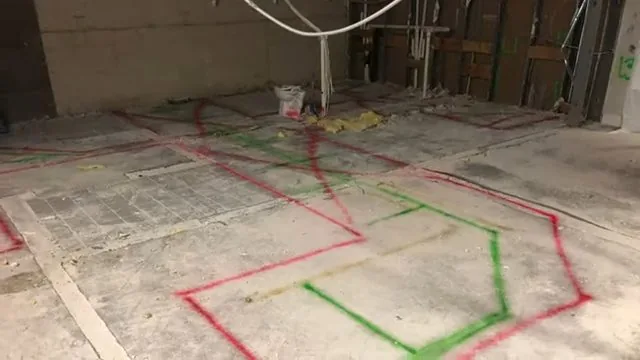
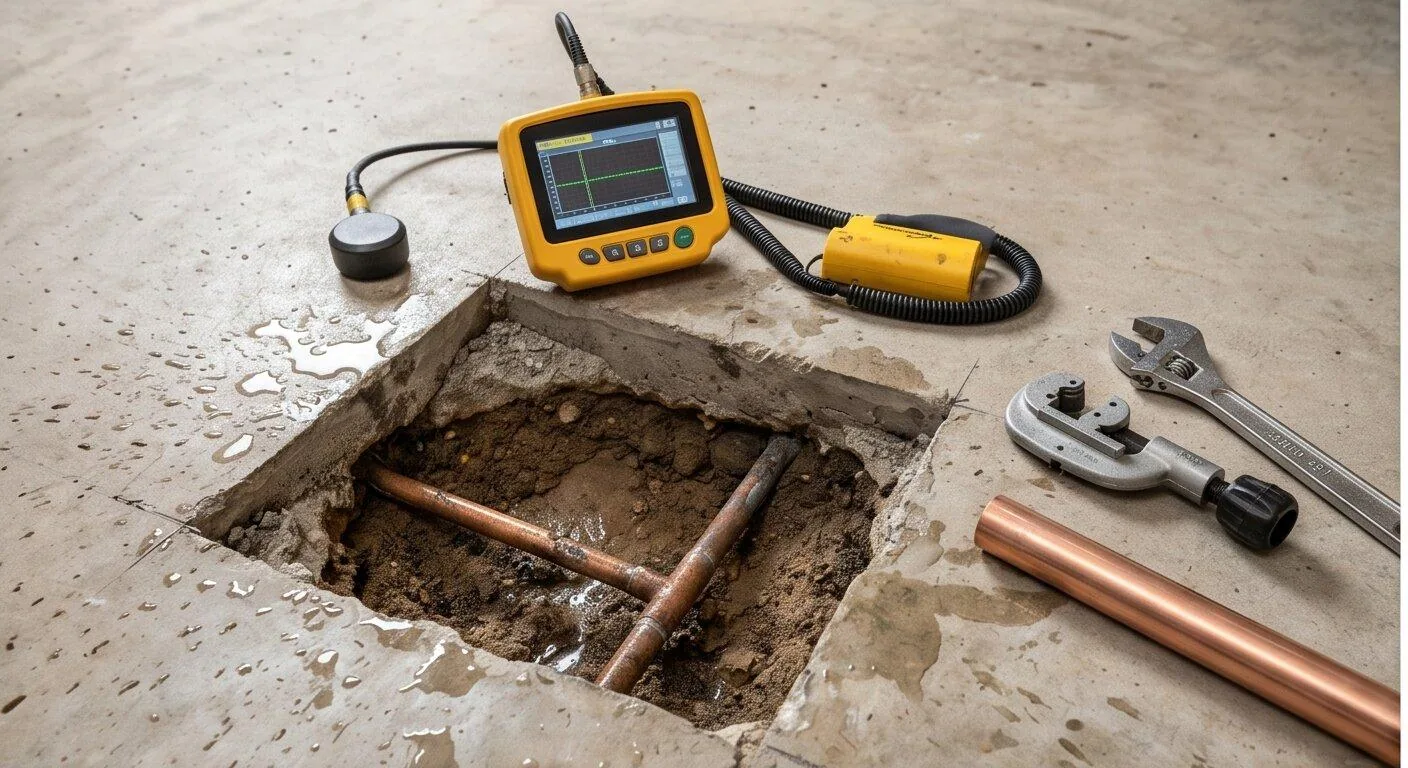
Nobody should break a slab on a guess. Location starts on the surface: electronic listening devices pick up the sound of water escaping from a pressurized line, line tracers follow the route of the pipe, and a thermal camera can show the warm path of a hot-line leak through flooring. A pressure test closes off one run and shows whether it holds, which separates a leak in a slab line from one in the wall above it.
Before concrete is cut, the plumber should scan for reinforcing steel and any buried lines, so a repair does not create a second problem. The product of good location work is a mark on the floor, the depth of the pipe, and which line it is.
Spot repair, reroute or repipe: what decides it
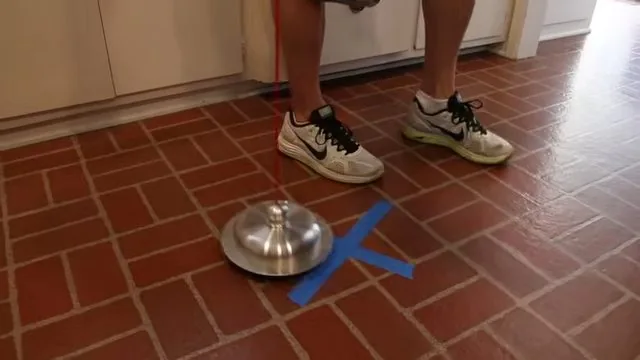
Three repairs cover most slab leaks, and the choice depends on facts the plumber can state: how many leaks the line has had, what it is made of, how long the run is and what sits on top of it.
The benefits of slab leak repair are practical: the water loss stops, flooring and walls stop absorbing moisture, and the soil under the slab stops getting wet. Trenchless slab leak repair, which works from inside the pipe, suits only certain pipe conditions and access points, so ask whether it applies to your line before it is quoted.
| Option | What it involves | It fits when |
|---|---|---|
| Spot repair | Open the concrete over the break, replace the damaged section, close and patch the floor. | There is one leak, the rest of the line tests sound, and the floor finish can be matched. |
| Reroute | Abandon the buried line and run a new one through the attic or walls to the same fixtures. | The buried line is worn, leaks keep coming back, or breaking more concrete would damage tile or hardwood. |
| Repipe | Replace the supply lines for the whole house, buried and above ground. | Several leaks have appeared, or the plumber finds the same wear along the whole system. See repiping a house with aging supply lines. |
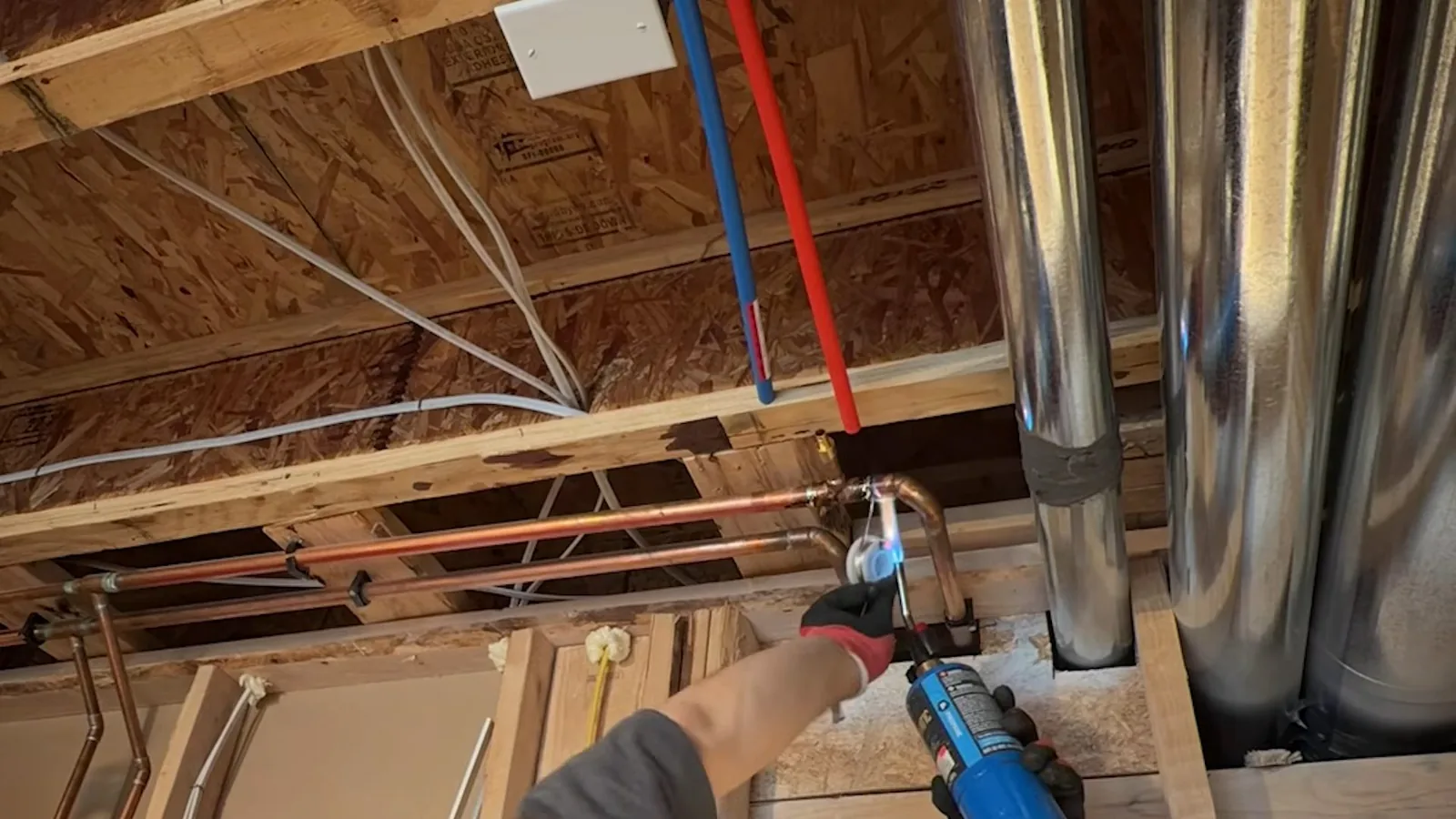
Ask for each option to be written down with its scope, including who patches the floor and who handles flooring that has to be removed. Some of the cost sits in the finish work, not the pipe.
What insurance wants to see
Policies differ on whether they pay for the leak itself, the work to reach it or only the damage the water caused, so read yours or ask your agent before the repair is authorized. Whatever the policy says, the paperwork helps: photographs of the damage, the plumber's written finding with the location and cause, the dates of each visit, and the removed section of pipe if the plumber will leave it with you.
When it is not a slab leak
Water at the floor does not always come from a slab line. A roof leak can run down a wall, an air conditioner can drip condensate, and a sprinkler line can saturate the soil beside the foundation. Movement in the foundation itself is a job for a foundation trade, not a plumber. If the pressure test shows the lines are sound, a good plumber says so and points you to the right specialist.
Ceiling and wall damage that already happened may need drying and mold checks; see water damage restoration for that side of the job.
A caution about blaming the water
If a plumber says mineral scale is eating your pipes, ask what the finding rests on. The 2025 water quality report for the Arizona Water Company system that serves Bisbee lists no hardness value, so a hard-water diagnosis should come with a test of your tap.
Do not wait on a fast leak. If the meter is spinning, shut the main valve where the line enters the house and call. Hot water leaking under a floor can scald if it surfaces, so keep children and pets off a floor that is hot to the touch.
Slab leak questions about signs, insurance and repair choices
What does a slab leak look like?
Usually it does not look like much. You may see a warm patch on the floor, a damp edge of carpet, cracked or lifting tile, or a wet strip of soil outside. The stronger clues are indirect: a rising water bill, running water you can hear in a silent house and a meter that moves with everything off. Report the pattern, not just one sign.
Does insurance cover a slab leak?
It depends on the policy. Some cover the damage the water caused, some also cover the cost of reaching the pipe, and some exclude one or the other. Read the wording or ask your agent before work begins. Keep photographs, the plumber's written finding and the dates of each visit, because those records help whichever way the policy reads.
Do I need a plumber for a slab leak?
Yes for the location and the repair, because breaking a slab on a guess can cause new damage. What you can do yourself is limited and safe: check the meter, close the main shut-off valve if water is running, and note where the floor is warm or damp. Do not cut flooring or concrete to look for the pipe.
How is the repair chosen: spot repair, reroute or repipe?
The plumber weighs the number of leaks, the pipe material, the length of the buried run and the floor finish above it. One leak on an otherwise sound line favors a spot repair. Repeated leaks or a worn line favor a reroute through the walls or attic. Several leaks across the house favor a repipe. Ask for the options in writing.
Warm floor and a moving meter?
Call the dispatch line and describe both. The call goes to a plumber serving your area, and you can ask for license details before work begins. For lines that are not under concrete, see finding a hidden leak in a wall or yard.
Call (520) 340-7175