Bisbee Water Softeners, Filters and Reverse Osmosis: Test the Tap Before You Buy Equipment
Most buyers ask for a softener before they know whether the water is hard. The signs are familiar: white crust on fixtures, spots on glasses, soap that will not lather. The order matters, though. Test first, choose the equipment second, and pay for installation third.
This page explains the difference between a softener, a filter and reverse osmosis, how sizing and salt work, what service an older unit needs and what to do about private wells. Bisbee's utility does not report a hardness figure, so your own test carries more weight here than anywhere. Calls to the dispatch number reach a plumber who covers your address.
Dispatch answers 24/7. Plumbers from our network serve Bisbee and the outlying areas.
Signs of hard water, and how to test
- White or chalky crust on faucets, showerheads and kettles
- Spots on dishes and glass after the dishwasher
- Soap and shampoo that rinse poorly or leave film
- Water heaters that rumble or lose capacity
- Low flow at showerheads that clears when descaled
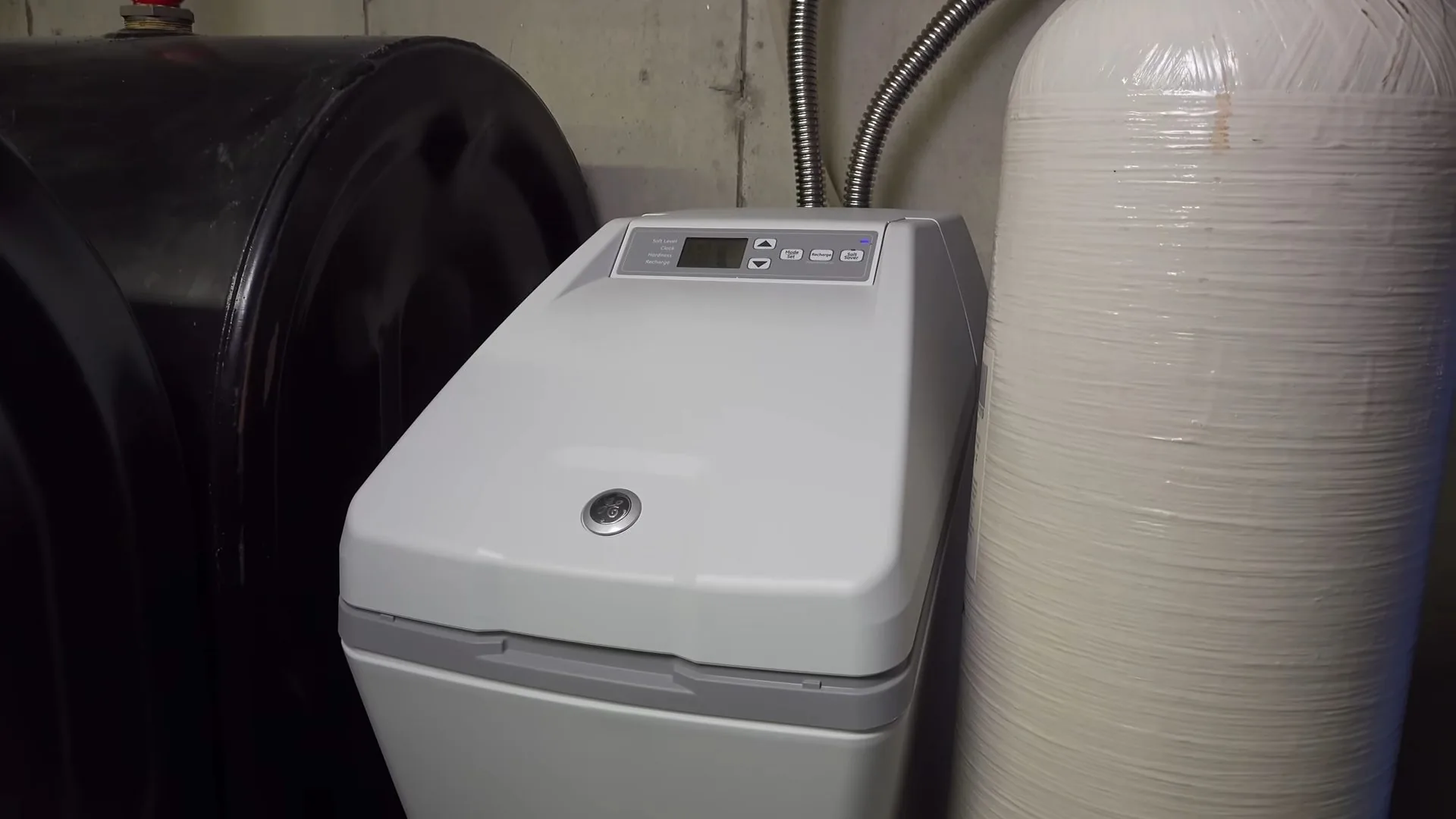
A test kit from a hardware store gives a hardness reading in minutes. A lab test gives a fuller picture, including minerals and contaminants. Test the cold tap that is not softened, and write down the number. That number, and not a sales pitch, decides whether a softener is worth the cost.
What the local utility reports
Arizona Water Company serves Bisbee from groundwater wells at Naco. Its 2025 water quality report for the system does not state a hardness figure. Anyone choosing equipment therefore needs a test of their own tap, and the report is a place to look for the other contaminants it lists.
Softener, filter or reverse osmosis: what each does
| Equipment | What it does | What it does not do |
|---|---|---|
| Water softener | Swaps hardness minerals for sodium or potassium | Does not remove most contaminants or improve taste |
| Whole-house filter | Removes sediment or chlorine at the main | Does not soften water |
| Under-sink filter | Treats drinking water at one tap | Does not protect pipes or the water heater |
| Reverse osmosis | Removes many dissolved solids at one tap | Produces wastewater; needs a drain connection |
| Scale inhibitor | Changes how scale forms | Does not remove hardness |
Match the equipment to the problem. Scale in pipes and fixtures points to a softener. Chlorine taste or sediment points to a filter. A concern about a specific contaminant points to a certified filter or reverse osmosis at the tap, chosen from the contaminant list in a lab report.
Want a hard water check before buying equipment? Call and ask the plumber what to test.
Call (520) 340-7175Water softener sizing, salt and regeneration
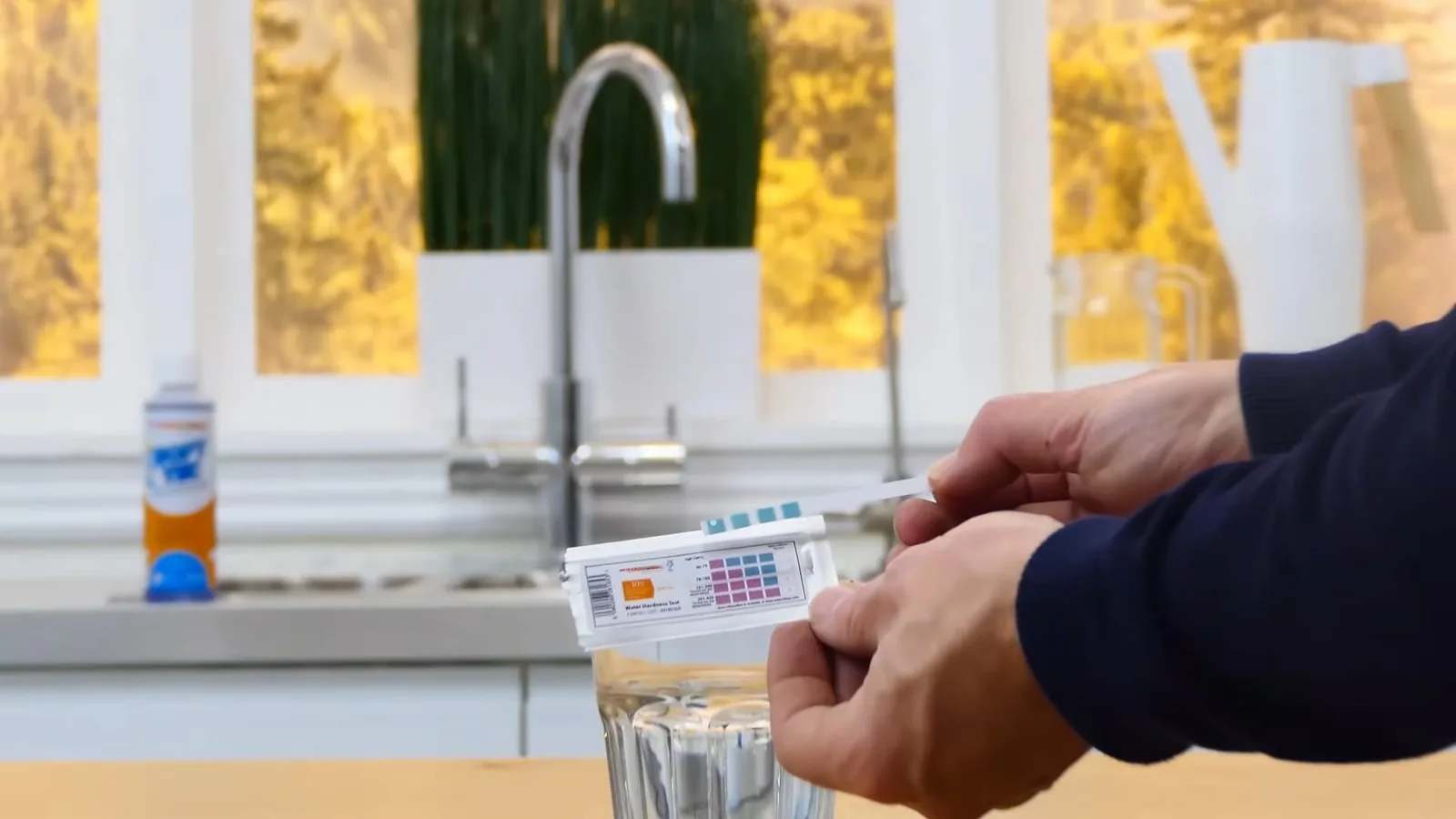
A softener holds resin beads that trap hardness. When the beads fill, the unit regenerates with a salt brine and flushes the minerals to the drain. Sizing depends on the hardness reading, the number of people and the daily water use. An undersized unit regenerates too often. An oversized one wastes salt and water.
- Hardness reading in grains per gallon from your own test
- Number of people and bathrooms
- Whether iron is present, which may need its own treatment
- Space for the tank and a salt supply, plus a drain and power
- Whether the home has a branch to the outside tap to bypass
Salt and brine are a routine cost. Check the brine tank every month or two and refill as the maker advises. A salt bridge, a hard crust inside the tank, can stop regeneration while the tank looks full, and breaking it up is a common service call.
Softener installation
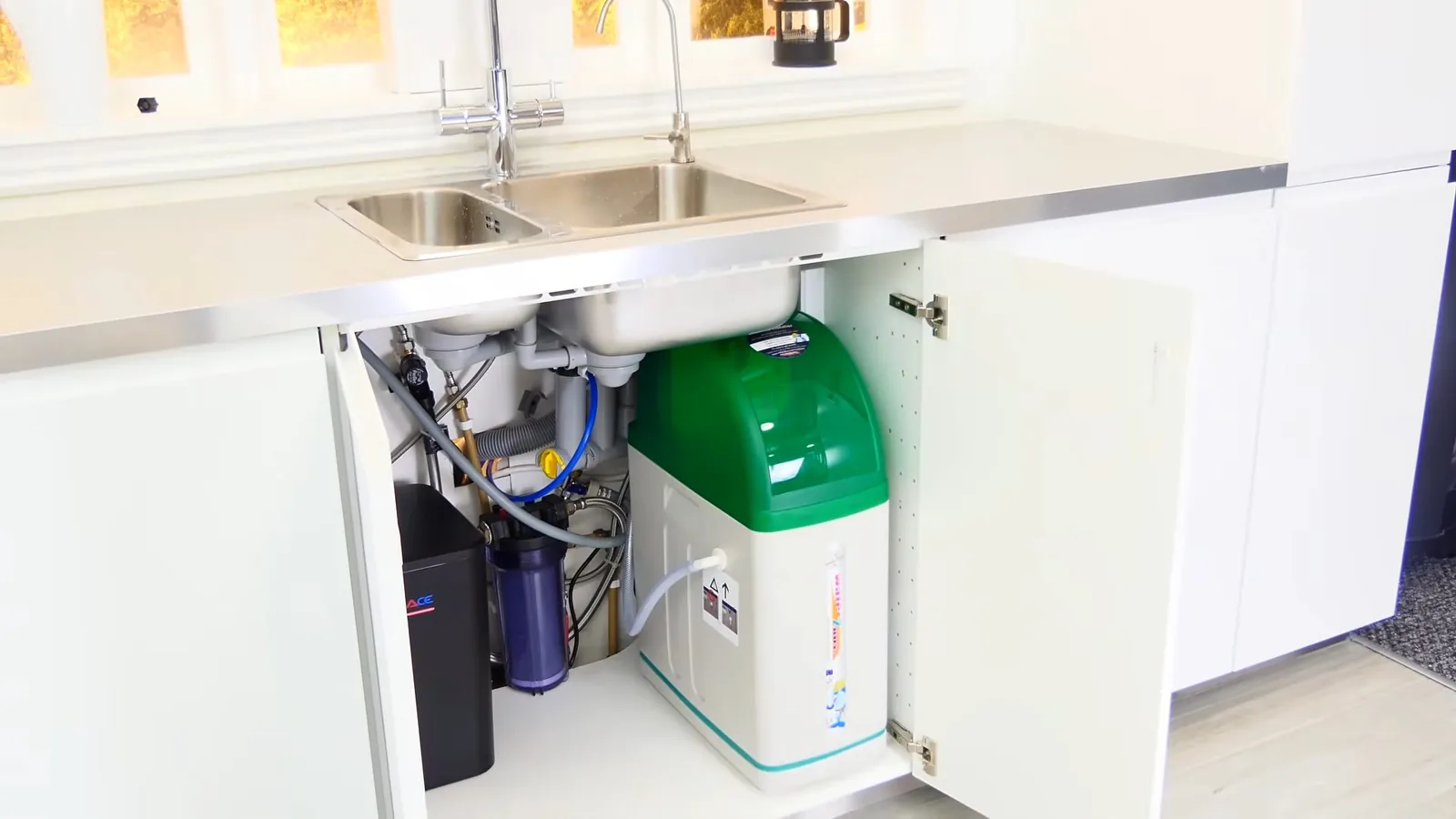
A water softener installer sets the tank and the brine tank, connects the supply and drain lines, and checks the bypass valve.
A plumber sets the tank, connects the inlet and outlet through a bypass valve, adds a drain line with an air gap and a power connection and programs the valve. The softener should be plumbed so outdoor taps and the kitchen drinking tap can stay unsoftened if you choose.
Local code on softeners
The City of Bisbee code says that water softener systems in new construction and in substantially remodeled commercial work must be certified to NSF/ANSI 44. Ask the plumber to confirm that a unit you are buying carries that certification.
Softener repair and service
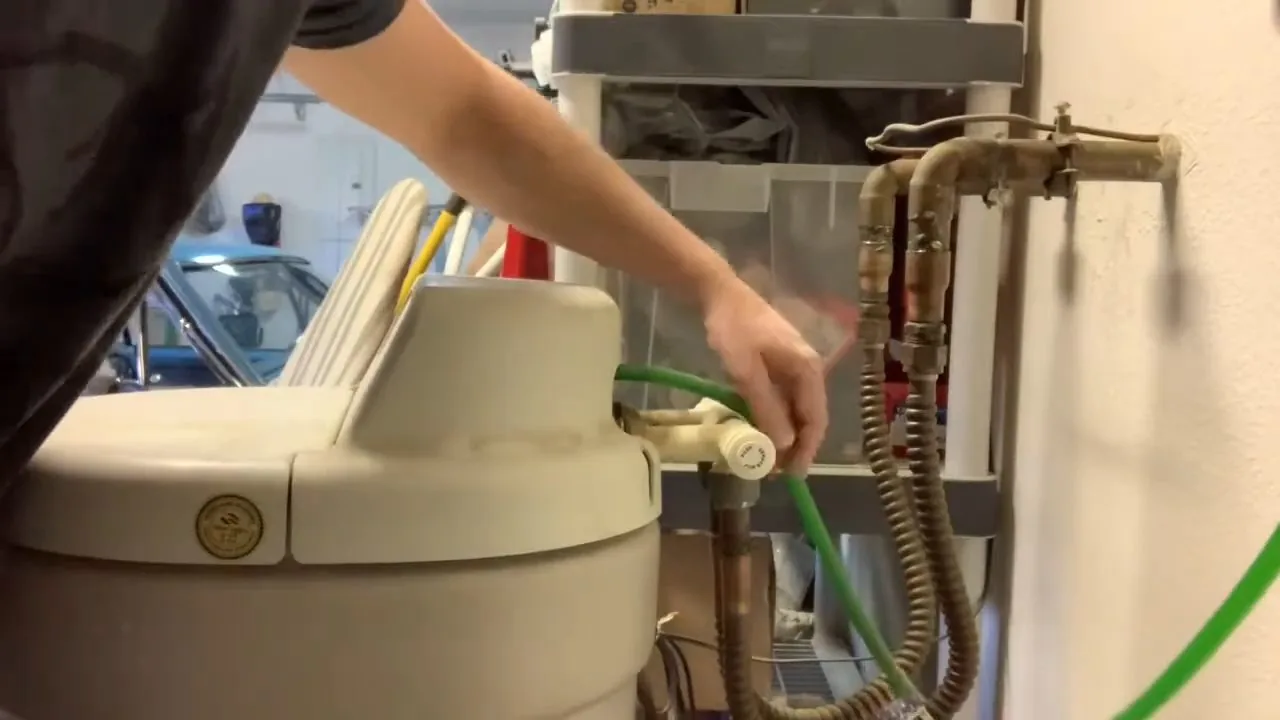
Common faults include a valve that will not cycle, a timer that has lost its setting, resin worn out after years of use, a salt bridge and a drain line that is clogged or frozen. A plumber tests the hardness out of the unit, checks the regeneration cycle and the brine draw and replaces the failed part or recommends a new unit.
Replacing a softener valve is a common repair when the tank is still sound. Bringing the model number and the age to the call helps the plumber bring a matching valve. If the resin has failed and the tank is old, a new unit may cost about the same as new resin and a valve.
Drinking water filters and reverse osmosis
Under-sink filters and reverse osmosis units treat the water you drink and cook with. Filters are rated for specific contaminants, so look for certification to the standard that matches the contaminant on your report. Reverse osmosis units have a membrane and prefilters that need replacing on schedule, and a drain line for the rejected water.
Whole-house filtration
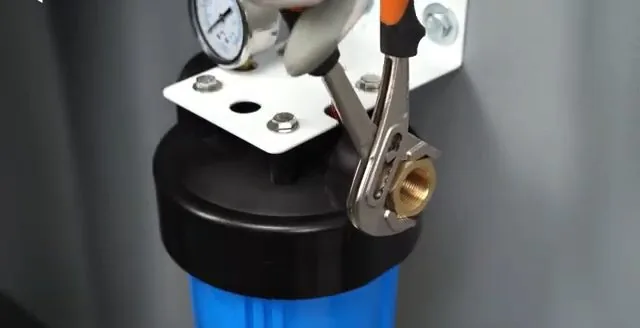
A whole-house filter sits at the main and protects every tap and appliance. Sediment filters catch sand and rust flakes. Carbon filters reduce chlorine taste and odor. Whole-house filters need replacement cartridges on a schedule, and they reduce pressure when they clog, so note the pressure before and after installation.
Private wells in Hereford and Mc Neal
Homes outside the city utility often run on private wells. A well owner is responsible for testing the water, and the right treatment depends on what the test shows. University of Arizona Extension says fluoride is highest in parts of Cochise County. See the pages for Hereford and Mc Neal for how service works there.
Test the well first
University of Arizona Extension says well owners are solely responsible for testing their water, and that fluoride is highest in parts of Cochise County. Test before choosing a filter, and choose a unit certified for the contaminant that the lab report names.
A water conditioner is the same equipment under another name, so water conditioner repair follows the steps above, and a softener valve replacement or reinstall is a routine plumbing job. An overflow from the brine tank usually means a stuck valve or a clogged drain line. A fridge water line valve is a small job of its own that a plumber can do on the same visit. If a tool has dropped into the brine well, stop the unit and call before reaching in.
Buying a home that has a softener? A softener inspection before the purchase checks the valve cycle, the resin and the age of the tank. Under-sink reverse osmosis system installation needs a drain saddle and room under the sink, and a written quote should name the filters and the membrane.
Hardness, softeners, filters and wells: water treatment questions
How do I know if I have hard water?
Look for white crust on fixtures, spots on glasses and soap that rinses poorly. Confirm with a test kit or a lab test of the cold tap, then write down the reading. The utility publishes no hardness number for the system, so your own test is the number to use when choosing equipment.
What is the difference between a water softener and a filter?
A softener removes hardness minerals using resin and salt, which protects pipes and appliances from scale. A filter removes sediment, chlorine or specific contaminants and does not soften. Many homes need only one of them, and some use both. A test shows which problem you actually have.
Can a softener valve be replaced instead of the whole unit?
Often yes, if the tank and resin are sound. A plumber can swap the control valve, reconnect the brine line and drain, and reset the program. Bring the model number and the age. If the resin has failed or the tank leaks, a full replacement may make more sense.
Do I need a softener if I have a private well?
Not automatically. Test the well first, because the right treatment depends on what is in the water, not on the pump. University of Arizona Extension says well owners are responsible for testing. Ask the plumber to match any filter or softener to the lab results.
How often should I add salt?
Check the brine tank monthly and refill when it gets low, following the maker's guidance for salt type. Heavier use means more frequent refills. A crust inside the tank, called a salt bridge, can hide an empty tank underneath, so break it up if the unit stops softening.
Hard water or a taste problem?
Call the dispatch line and describe what you see. The dispatcher routes the call to a plumber for your address. Scale inside a heater is covered under tankless heater scale and descaling.
Call (520) 340-7175