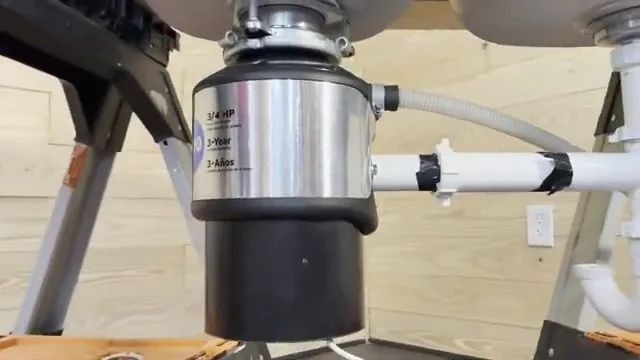
Bisbee Garbage Disposal Service: Jammed, Humming, Leaking or Ready to Replace
A garbage disposal fails in three common ways: it hums and will not turn, it stops entirely, or it leaks. Each has a different cause, and only some of them are worth repairing. The decision depends on where the water or the noise is coming from and how old the unit is.
This page explains how to tell a jam from a motor fault, where leaks start, what changes the repair-or-replace choice and why the dishwasher connection matters. Never put a hand into a disposal. Switch it off at the wall or breaker first, then ring the dispatch number and a plumber near your address takes the job.
Dispatch answers 24/7. Plumbers from our network serve Bisbee and the outlying areas.
Before anything else Turn the disposal off at the switch and at the breaker or unplug it. Never reach in with a hand, even when the unit looks dead. A jammed blade can suddenly spin without warning.
Humming, stuck or silent: what each one means
| What you notice | Likely cause | What a plumber does |
|---|---|---|
| Hums but the blades do not turn | Jam from a hard object or built-up debris | Frees the flywheel with a hex key from below, clears the chamber |
| Nothing happens, no hum | Tripped reset button, tripped breaker or a dead switch | Resets and tests; checks the outlet or the wiring path |
| Runs but grinds poorly | Dull or worn grinding parts | Judges whether repair is worth it |
| Runs and sinks stay full | Clog in the drain beyond the unit | Cables the line or the trap |
| Burning smell | Motor strain or a jam held under power | Switches it off; checks for motor failure |
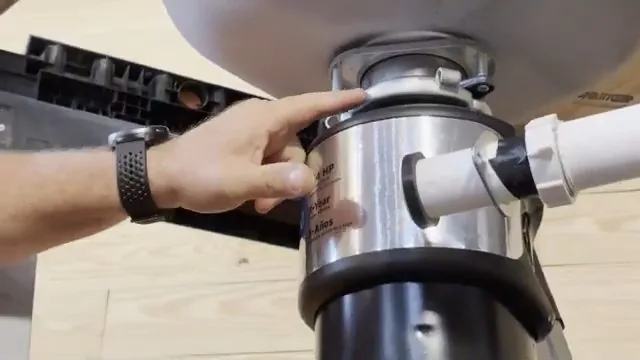
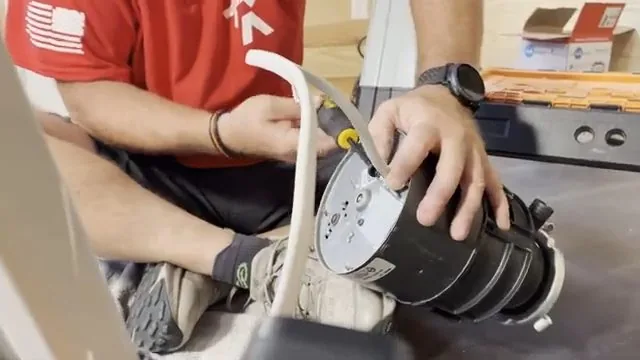
Many units have a hex socket in the center of the underside. A plumber turns it with a wrench to release a stuck flywheel. If the unit then runs smoothly, the jam was the whole problem. If the hex will not turn, or the motor hums without moving after the jam is cleared, the motor or the bearings are the issue and the unit is near the end of its life.
Leaks: three places water escapes
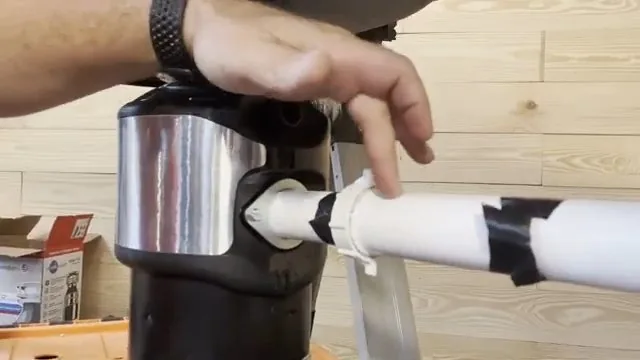
Dry the unit and the pipes below it, run water, and watch. The first bead tells you which part has failed. A leak at the top rim, where the sink flange meets the unit, points to a loose or worn mounting gasket. A leak at the side, where the dishwasher hose or the drain pipe connects, points to a hose clamp or a gasket. A leak from the bottom or the body means the housing has corroded through.
- Top, at the sink flange: remount the flange with fresh plumber's putty or a new gasket
- Side, at the dishwasher inlet or drain outlet: replace the gasket or tighten the clamp
- Bottom or housing: the unit is done; replace it
- Under the trap, not the unit: tighten or replace the trap fittings
Water in the cabinet is not always the disposal. The supply lines, the faucet and the trap all sit in the same space. The guide to faucet, valve and fixture repair covers the parts above the cabinet floor.
Leak under the sink and not sure which part? Describe where the water first appears.
Call (520) 340-7175Repair or replace a disposal
| Situation | Usually points to |
|---|---|
| A jam that clears and the unit runs normally | Repair; no parts needed |
| A loose flange or a worn gasket on a sound unit | Repair |
| A leaking housing or a rusted body | Replacement |
| A seized motor, or a unit that trips the breaker | Replacement |
| A unit that jams often and grinds poorly | Replacement, matched to how you use it |
A new disposal costs more than most repairs, but a repeated repair on an aging unit adds up. Ask the plumber what the horsepower and the build quality mean in daily use. A larger motor handles more food waste but needs a sturdier mount and may not fit the cabinet.
The dishwasher connection
Most dishwashers drain through the disposal. A knockout plug inside the disposal inlet has to be removed on a new installation, or the dishwasher will not drain. A plumber also checks the drain hose, which should loop up under the counter or run through an air gap so wastewater cannot flow back into the dishwasher.
If the dishwasher fills with dirty water after the disposal is replaced, the knockout was probably left in or the hose sits too low. Both are small fixes, but only if the plumber knows to look.
What belongs in a disposal and what does not
- Small food scraps with plenty of cold water running
- Not grease, oil or fat, which coats pipes and hardens
- Not coffee grounds in quantity, eggshell piles, pasta or rice, which swell and pack
- Not fibrous items such as corn husks, celery and onion skins in bulk
- Not bones, fruit pits or anything hard
- Not chemical drain cleaners, which damage seals and are unsafe to work around
Run cold water for several seconds before and after use so waste clears the trap. If the sink backs up after the unit runs, the clog is probably downstream and the page on clearing kitchen and branch drains applies.
Power, switches and who does what
A disposal runs on a switch or a plug. A plumber handles the sink, the drain and the water-side connections. A dead circuit, a faulty wall switch or wiring problems belong to an electrician. Tell the dispatcher what you have checked, such as the reset button and the breaker, so the visit is not spent on something the plumber cannot fix.
Installing a new unit where none existed adds work: a switch, a power source and, if there is a dishwasher, a drain connection. Say so on the call so the plumber brings the right parts.
Jams, leaks, replacement and dishwashers: disposal questions
How do I know if my garbage disposal can be repaired or needs replacing?
A jam, a loose flange or a worn gasket can usually be repaired on a sound unit. A leaking housing, a seized motor or a unit that trips the breaker usually means replacement. Tell the plumber the age and where the leak starts, and ask what each choice would involve.
What does it mean when a disposal hums but will not spin?
It means the motor has power but a jam is holding the blades. Switch it off, never use a hand and call. A plumber can release the flywheel from below with a wrench and check that the motor runs freely afterward. If it hums again at once, the motor may be failing.
Do I need a plumber for garbage disposal repair?
For leaks, jams and drain or dishwasher connections, yes, a plumber is the right call. For a dead switch, a bad outlet or wiring faults, an electrician is. Try the reset button first, and say what you tried when you call so the visit is aimed at the real problem.
Why is my disposal humming and not spinning even after I cleared it?
If the hum continues after the jam is cleared, the motor may be seized or a bearing may be worn. A plumber can test whether the flywheel turns freely and whether the motor draws power. A seized motor generally means replacement rather than repair, so ask the plumber to explain which one applies before work starts.
Why is my sink still draining slowly after the disposal is fixed?
A working disposal does not clear a clog in the pipe beyond it. If water still drains slowly, the trap or the branch line is partly blocked. The plumber can cable the line, which is a separate job from the disposal itself, and tell you where the clog sat.
Disposal jammed or leaking?
Call the dispatch line and say whether it hums, is silent or leaks. The call is routed to a plumber for your address. If the sink itself is backing up, see drain cleaning.
Call (520) 340-7175